English


As of early March 2026, the G657A2 optical fiber market is experiencing a historic period of tight supply-demand balance and a price surge cycle: Global demand is exploding, driven by the triple engines of AI computing power, FTTH deepening, and military drones, while the supply side is constrained
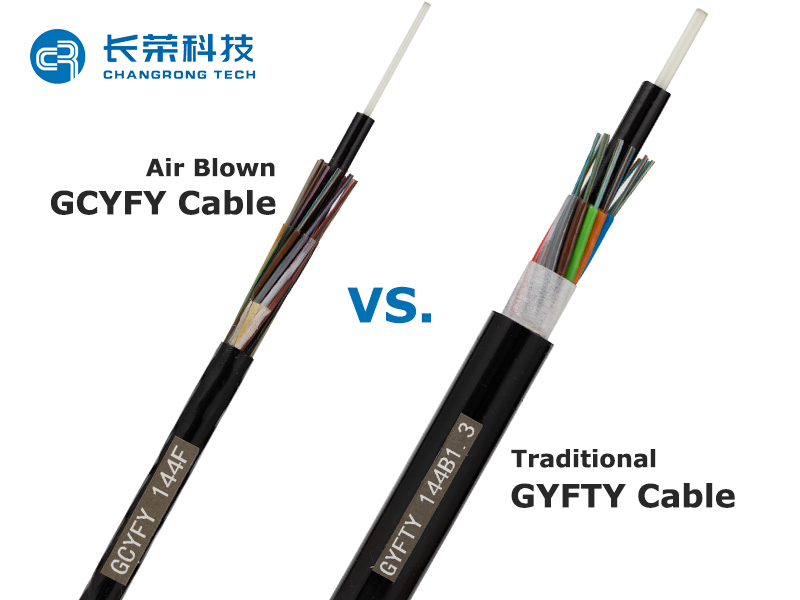
For FTTH planners, the useful question is not whether air-blown fiber or traditionally pulled cable is universally better. It is which method creates the lower-risk network for a particular route, build sequence and expansion plan.
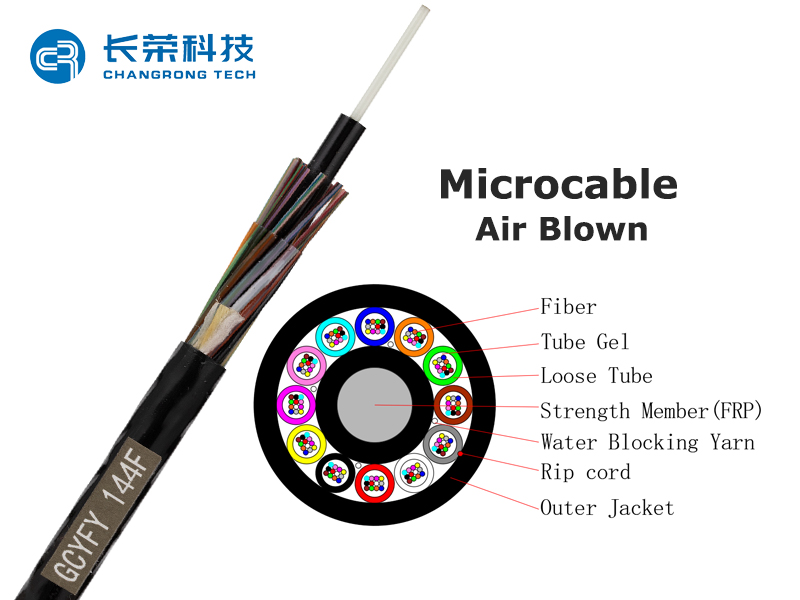
An air blown micro cable is a compact optical cable designed to travel through a pre-installed microduct with a cable-blowing machine and controlled compressed air.