


What is ADSS Fiber Optic Cable?
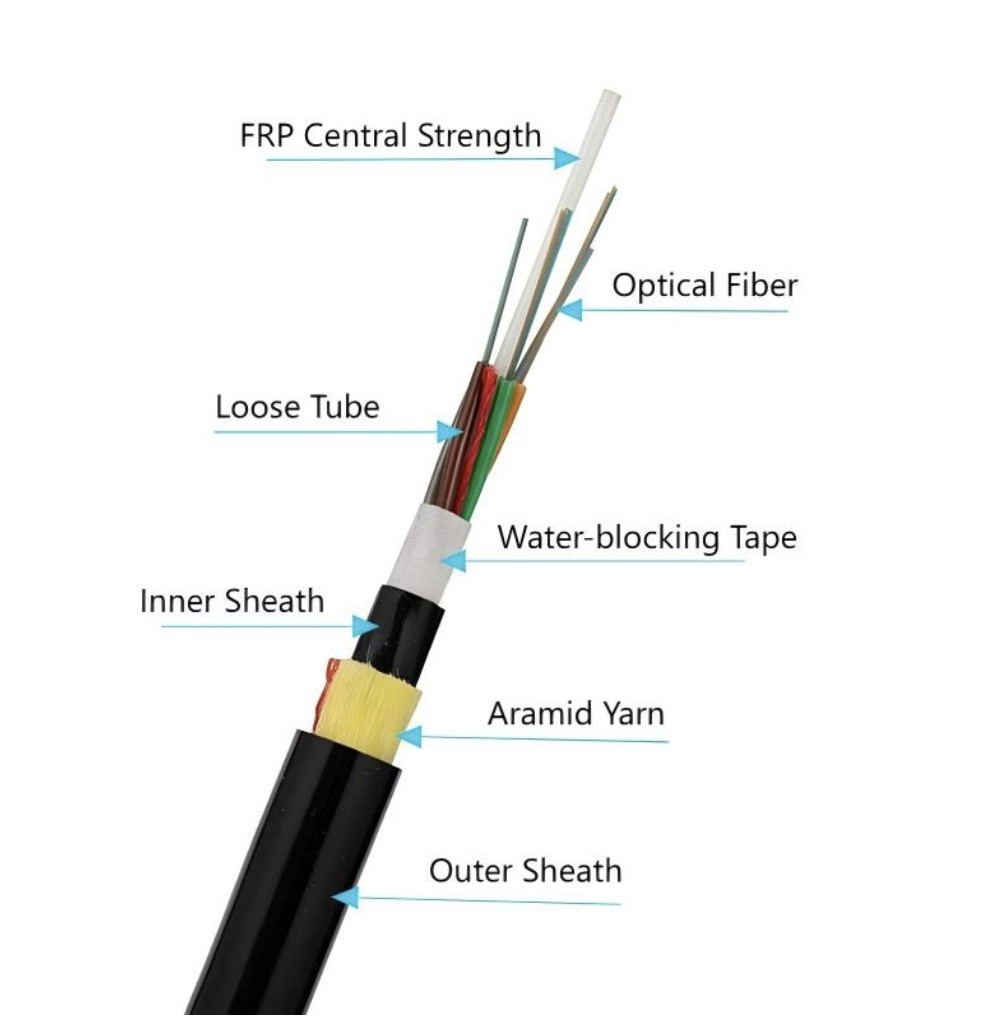
ADSS (All-Dielectric Self-Supporting) is a metal-free aerial fiber cable that spans poles or towers without a messenger wire, enabling fast one-pass deployment in distribution/transmission corridors and safe operation in high-EMI areas—an economical, reliable choice for above-ground backbone and access. If you’re evaluating ADSS for performance, lifespan, and total installed cost, we can help. CR Optical Fiber & Cable is one of the world’s leading fiber-optic cable manufacturers, backed by CNAS accreditation. Share your span, fiber count, and route conditions—our engineering team will recommend the right ADSS configuration and attachment hardware to accelerate your rollout.
Types of ADSS Fiber Optic Cables
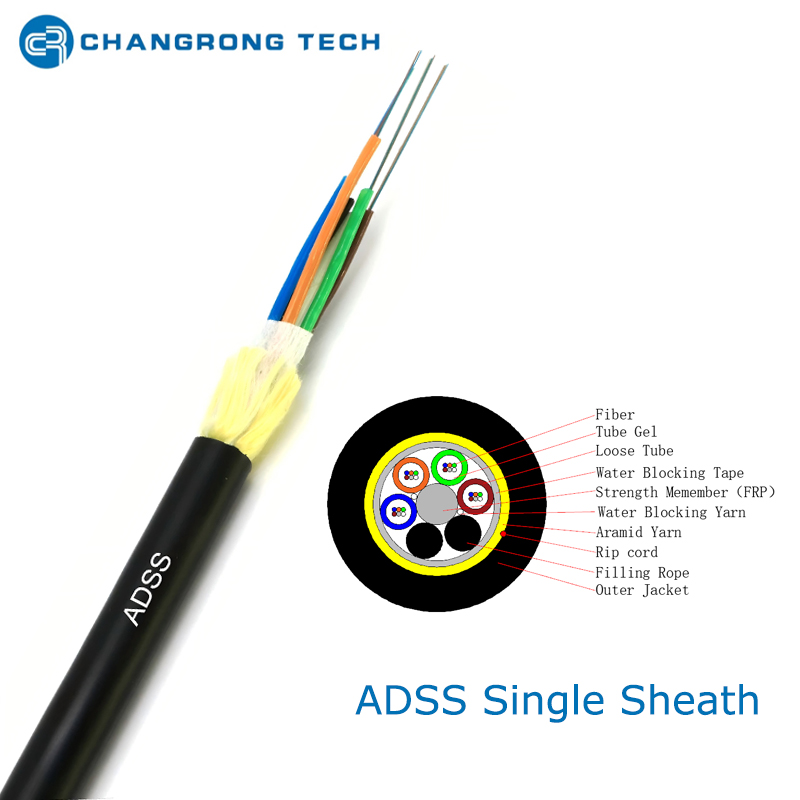
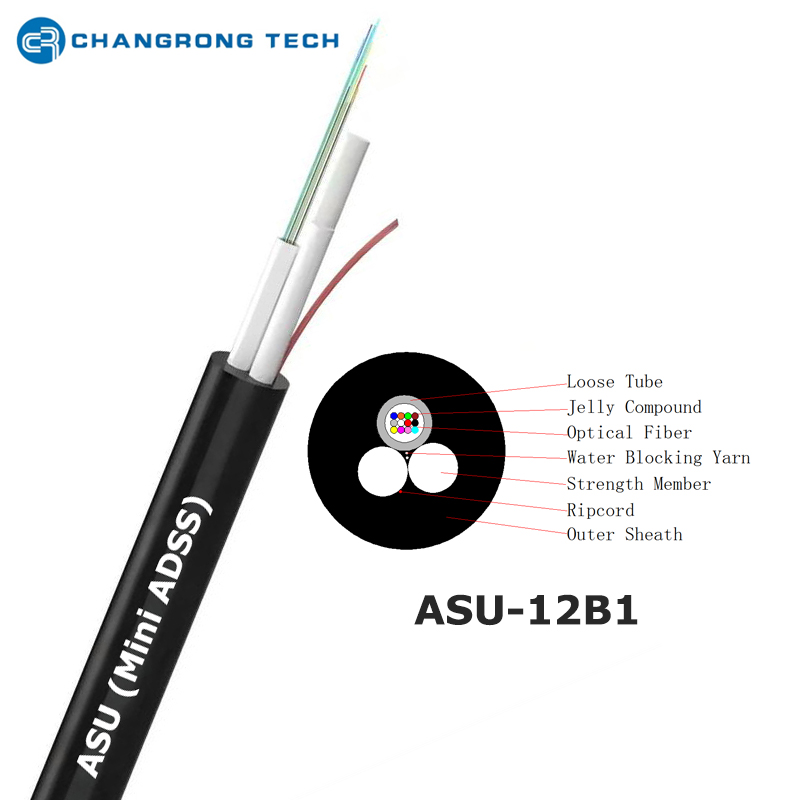
Suitable for shorter pole spans, typically between 50m and 200m. It is commonly used in low-voltage power transmission and distribution systems, railways, and telecommunications pole lines, where mechanical strength requirements are less stringent. It is a cost-effective solution.
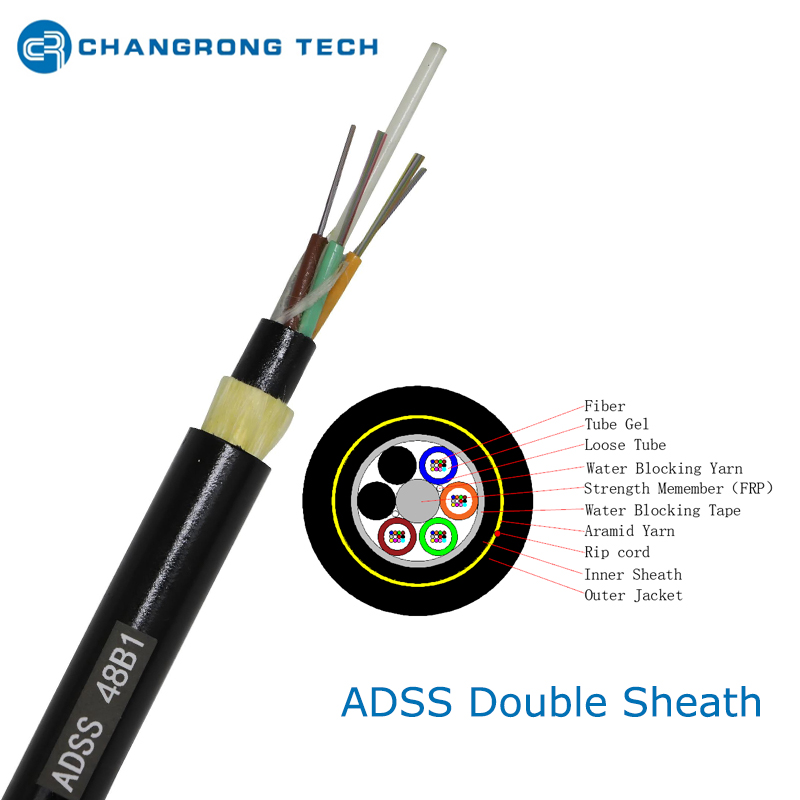
Suitable for longer pole spans, typically between 200m and 800m. It can be used in large-span scenarios such as high-voltage transmission lines, river and valley crossings, and in areas with harsh environmental conditions, such as coastal areas and windy and sandy regions. It ensures reliable communication performance under high tension and severe environmental stress.
Small-Size Mini ADSS for Short Spans (80m, 100m, 120m)
The small size of Mini ADSS optical cables offers significant advantages in short-span installations. Their small outer diameter and light weight effectively reduce wind loads and ice adhesion risks, improving line stability. Furthermore, the smaller cable diameter facilitates installation in narrow corridors, reducing modifications to existing tower structures and saving construction costs. Furthermore, Mini ADSS utilizes an optimized FRP reinforcement layout, balancing tensile strength and flexibility, making it suitable for complex routing environments with frequent bends. The overall mechanical performance meets the high reliability requirements of short spans.
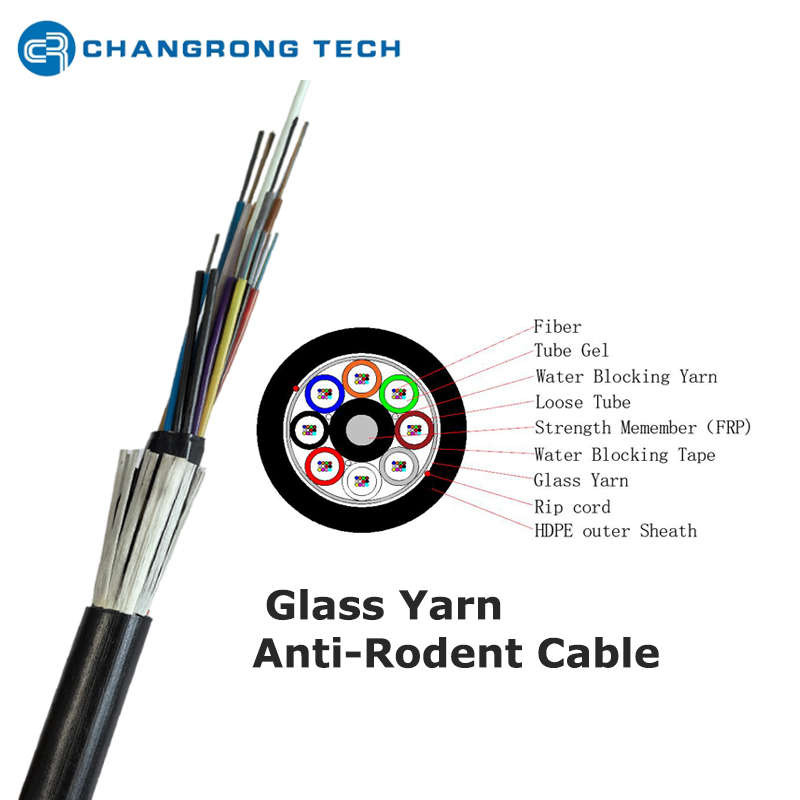
Comparison of Flat FRP and Glass Yarn Bite Repellent
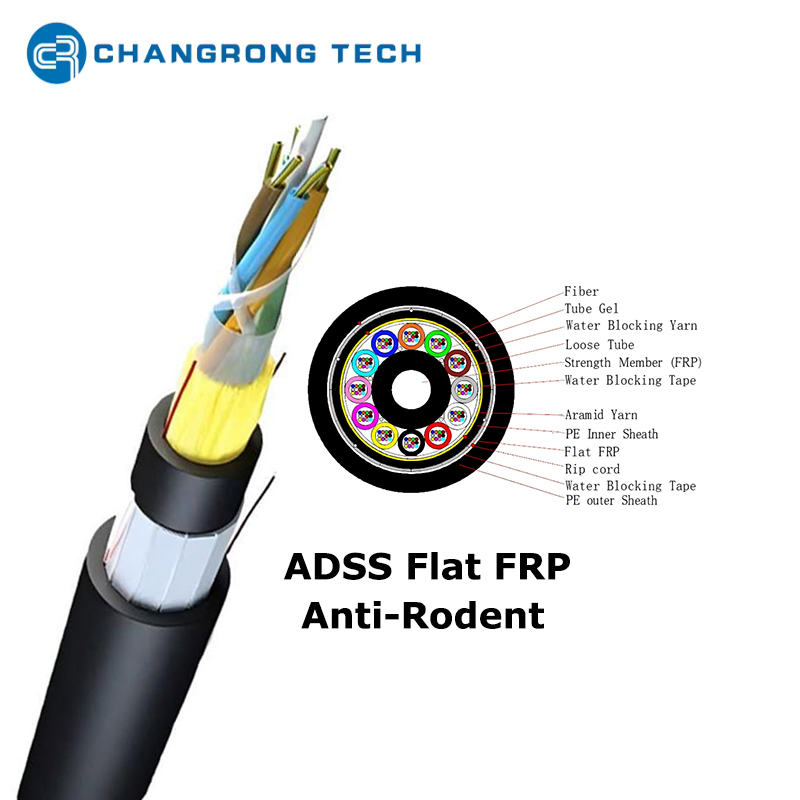
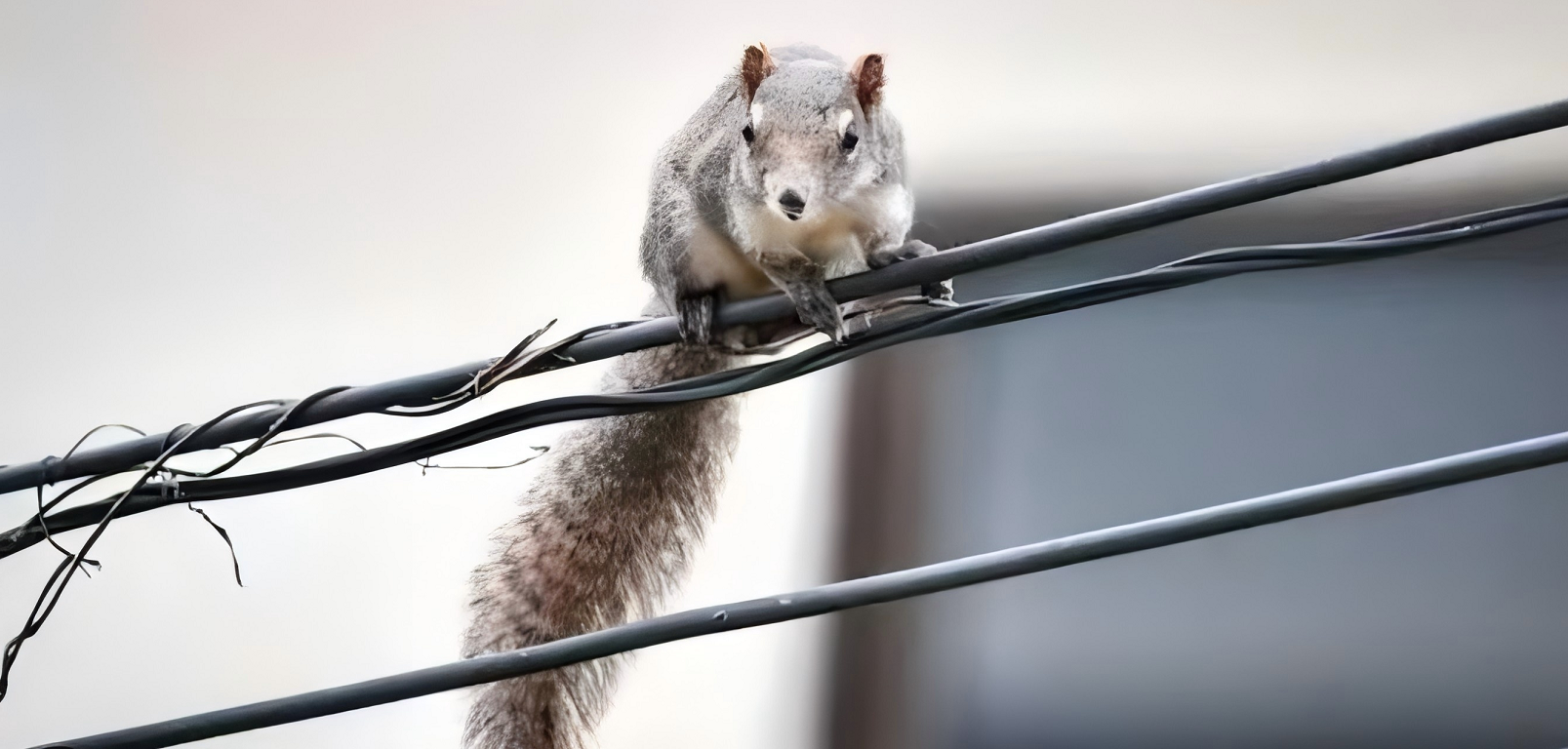
Flat FRP Bite Repellent: Glass fiber cross-linked with resin for increased stiffness and density, causing rodent injury when chewed for strong repellent effectiveness.
Glass Yarn Bite Repellent: Less effective due to its small diameter and low rigidity, allowing fibers to entangle with the sheath, causing minimal rodent mouth damage.
Flat FRP Bite Repellent: With tensile strength (≥1200 MPa) and elastic modulus (≥50 GPa), it boosts cable strength and self-supporting capacity, ideal for such applications.
Glass Yarn Bite Repellent: Lacks self-support, reducing tensile strength if damaged, and offers no rodent protection.
Flat FRP Bite Repellent: The production process is complex, making the cable rigid and hard to bend, while splicing the FRP tape is time-consuming.
Glass Yarn Bite Protection: Installation can be hazardous, and securing the glass yarn is complex. A large quantity is needed for effective rodent-proofing, increasing installation difficulty.
Flat FRP bite protection: Due to the complex materials and production process, the cost is relatively high.
Glass yarn bite protection: Although the cost of a single piece of glass yarn is relatively low, it requires large quantities, and the production process increases costs, making the overall cost high.
Flat FRP bite protection: The resin cross-linking process reduces the problem of loose glass fibers, making it more environmentally friendly.
Glass yarn bite protection: Loose glass fibers are prone to scattering, potentially affecting the environment and human health, making it less environmentally friendly.
ADSS Fiber Optic Cable Applications
CHANGRONG Tech ADSS fiber solutions deliver high-strength, EMI-immune connectivity for utilities, telecom, and transportation corridors with spans up to 800 m and 2–288 fibers.
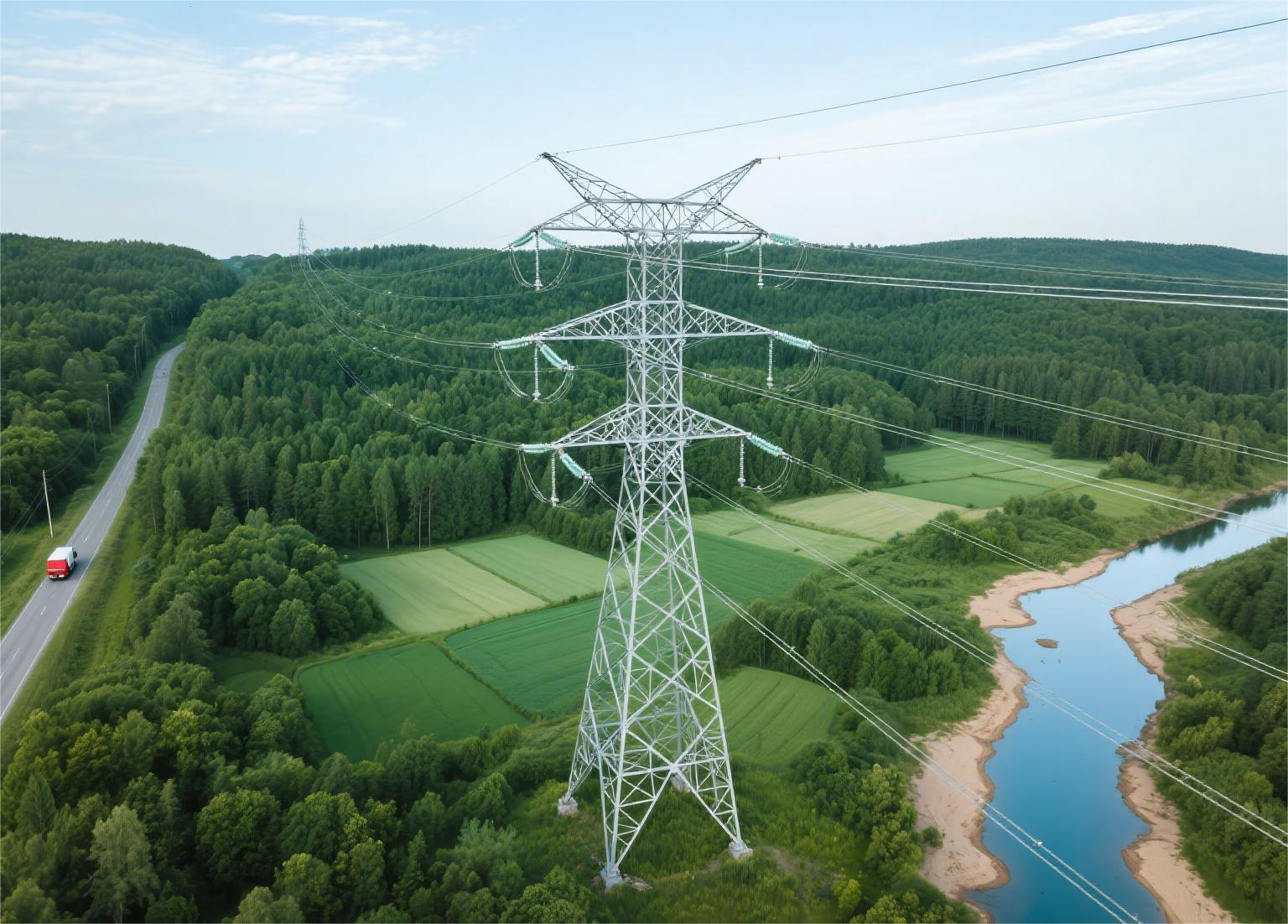
Power Utilities & High-Voltage Corridors
Deployed along distribution and transmission lines, ADSS enables rapid, messenger-free aerial builds while remaining immune to EMI and induced current. Our metal-free designs support 2–288 fibers with PE or optional AT jackets, deliver standard 80–300 m spans (custom 400–500 m), and in long-span double-jacket builds reach MAT 3.2–4.5 kN for wind/ice resilience.
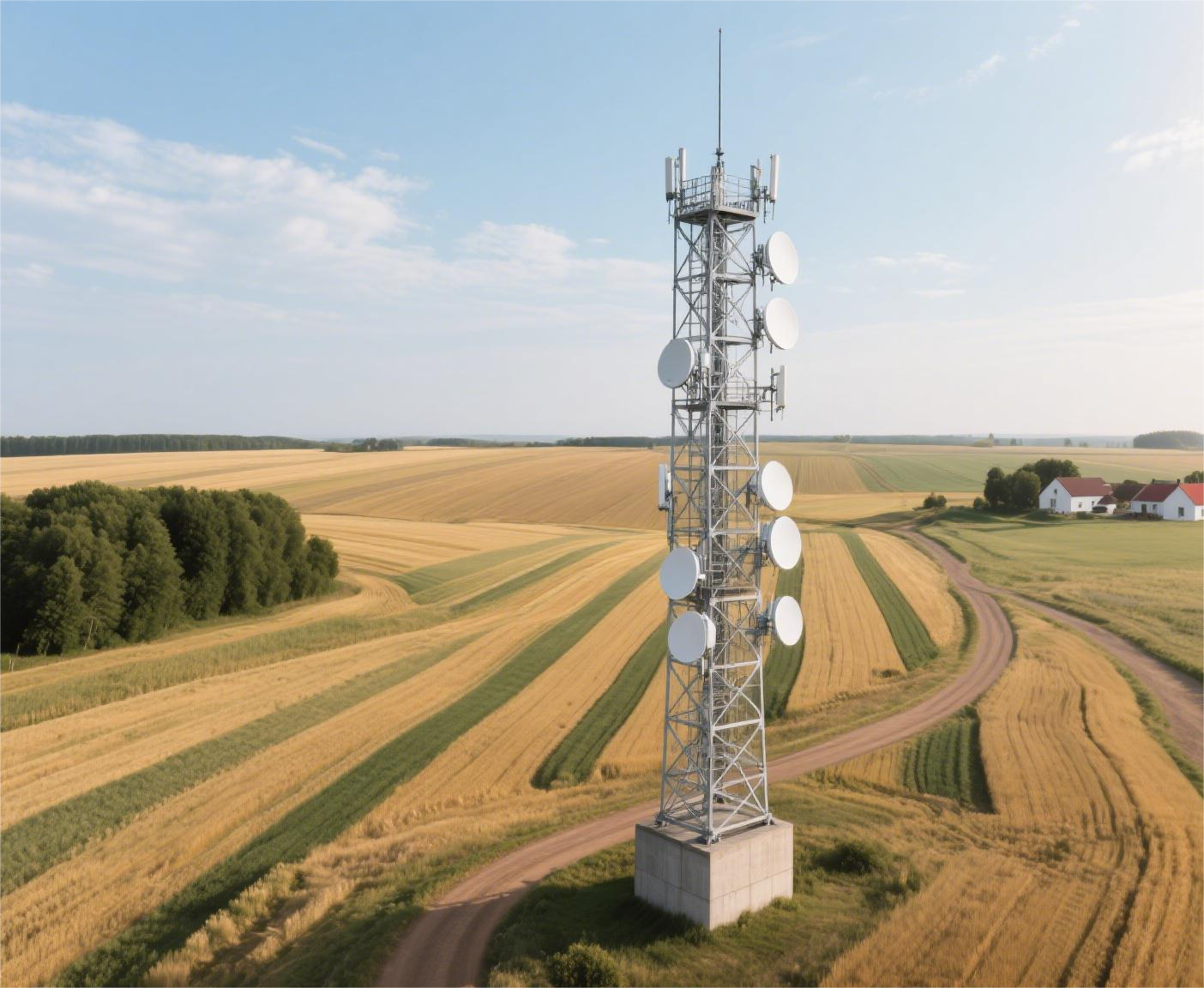
Telecom Backhaul & Access (Cell Sites / Rural Broadband)
Ideal for pole-line backhaul, roadside metro rings, and rural last-mile where trenching is costly. We offer G.652D low-loss fibers (≤0.36 dB/km @1310 nm, ≤0.22 dB/km @1550 nm), 2–288 fiber counts, and 2–5 km reel lengths to cut mid-span splices and accelerate service turn-up.
Transportation & Industrial Corridors
Serves signaling, CCTV, and SCADA links across bridges and valleys with stable, dielectric performance. Our anti-rodent flat-FRP ADSS delivers 2.5/5.0 kN long/short-term tensile ratings and 1000/3000 N/100 mm crush resistance, with dual/triple-jacket options and scene-tested spans up to 300 m for durable roadside operation.
ChangRong Tech ADSS Fiber Optic Cable Advantages
Ultra-small & lightweight
With a 6.6–8.2 mm outer diameter and 45–65 kg/km weight, it lowers wind load and fits tight pole routes for fast upgrades.
One model, broad coverage
Supports 2–288 fibers and 80–400 m spans, simplifying procurement and reducing total cost across access, backhaul, and metro builds.
Long-span reliability
Dual jackets and aramid reinforcement deliver 3.2–4.5 kN rated tensile strength for stable 200–300 m spans, including high-voltage corridors.
Dielectric with rodent defense
Flat FRP (fiber-reinforced plastic) armor provides up to 3000 N/100 mm crush resistance and 2.5/5.0 kN tensile for durable roadside and rural deployment.
Why Choose ChangRong Tech?
Professional manufacturer of optical fibers & cables
Scale & speed for ADSS production
With a 230,000 sqm site, 9 fiber drawing towers, 18 cable sheathing lines, 15 SZ cabling lines, 11 tubing lines, and 12 fiber coloring machines, we deliver stable capacity of 15 million core-km of fiber and 100,000 km of cable per year—keeping ADSS lead times short and projects on schedule.
Reliable Quality Assurance and Certification
Our in-house CNAS-certified laboratory and quality system (ISO 9001/14001/45001) validate ADSS designs with high-speed proof testers and full optical/mechanical checks, aligned to IEC 60794-1. This ensures consistent performance for utility corridors and carrier networks.
Expert Engineering & Custom Solutions
Related Products
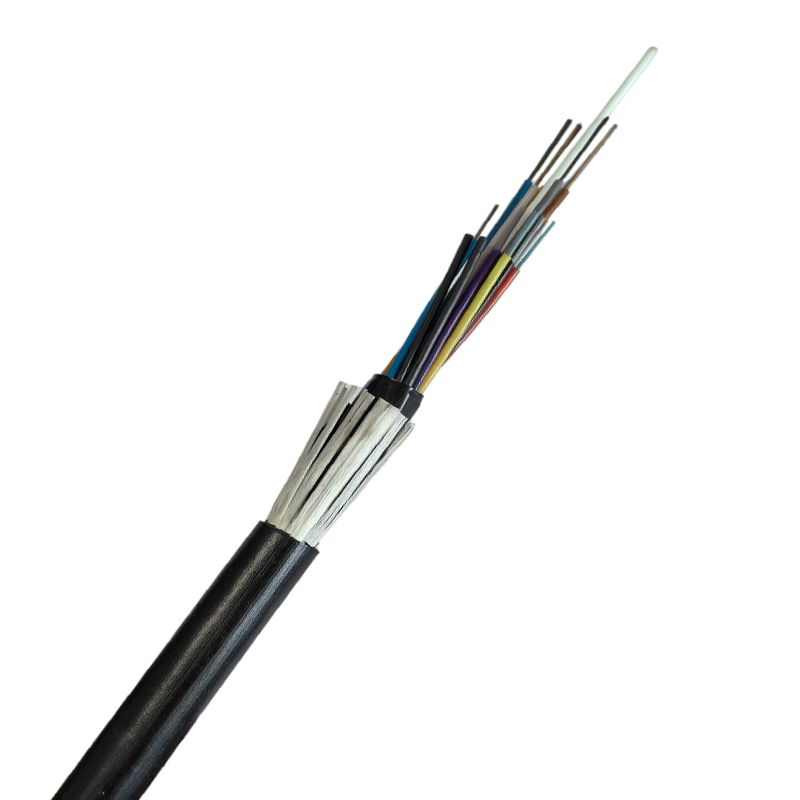


GYFXTY Unitube Glass Yarn Anti-Rodent All-Dielectric Aerial and Duct Fiber Optic Cable

GYXTW53 Central Unitube Double Steel Tape Armored Underground Direct Buried Fiber Optic Cable

GYFXTS Central Tube Steel Tape Armored Aramid Yarn reinforced Aerial Duct Fiber Optic Cable

GYFXTS Unitube Steel Tape Armored Glass Yarn Anti-Rodent Fiber Optic Cable for Aerial and Duct Installation


FAQ
Related Blogs
-
 As of early March 2026, the G657A2 optical fiber market is experiencing a historic period of tight supply-demand balance and a price surge cycle: Global demand is exploding, driven by the triple engines of AI computing power, FTTH deepening, and military drones, while the supply side is constrained
 -
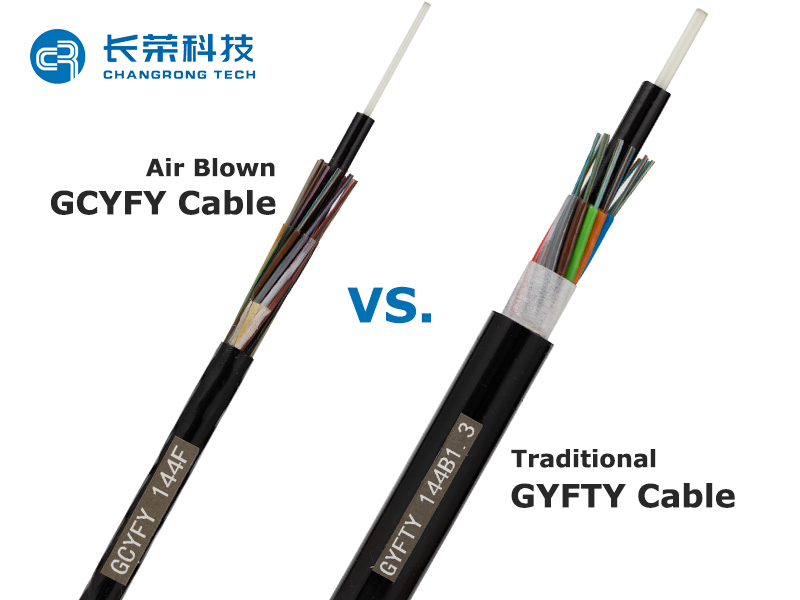 For FTTH planners, the useful question is not whether air-blown fiber or traditionally pulled cable is universally better. It is which method creates the lower-risk network for a particular route, build sequence and expansion plan.
 -
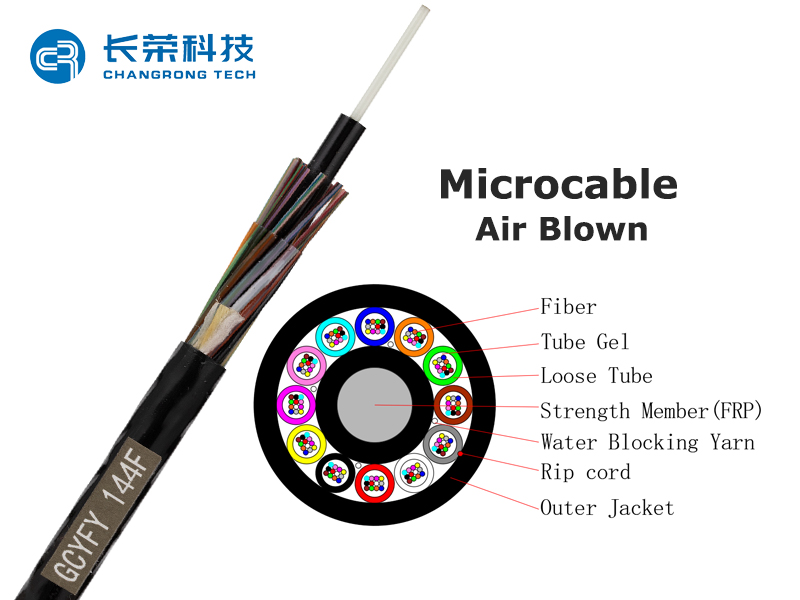 An air blown micro cable is a compact optical cable designed to travel through a pre-installed microduct with a cable-blowing machine and controlled compressed air.
Keep in Touch With Us
If you have any questions or requirements regarding solutions, please feel free to contact our customer service team.Our professional team will provide you with detailed product information, answer your questions, and tailor the best solution to meet your needs.
Mob:+86-13955042915
E-mail:crofc@cr-ofc.com
