English

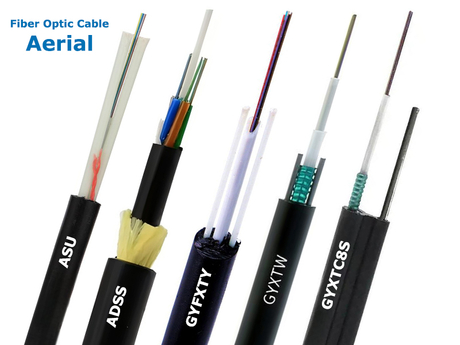
Glass Yarn Anti-Rodent ADSS Outdoor Aerial Fiber Optic Cable
| Model | ADSS Glass Yarn Anti-Rodent |
| Fiber Counts | 2core - 288core |
| Fiber Type | ITU-T G.652.D |
| Central Strength Member | FRP |
| Buffer | PBT Loose Tube |
| Moisture Resistance | Water-Blocking Tape & Yarn |
| Rodent Protection | Glass Yarn |
| Sheath | PE |
| Span customized | 80/100/120/150/200/300m etc. |
| Application | Self-supporting overhead laying, Duct Laying |
| Drum Length | 2km, 3km, 4km |
Description of Glass Yarn Rodent-Resistant ADSS Fiber Cable:
ADSS (All-Dielectric Self-Supporting) Glass Yarn Anti-Rodent Aerial/Duct Fiber Optic Cable is a specialized all-dielectric optical fiber cable designed to solve two main challenges: (1) self-supporting installation in aerial (overhead) or duct (underground/conduit) environments without relying on metal supports; (2) resistance to rodent damage (a major threat to underground/duct cables, as rodents chew through insulation to damage fibers). It integrates the advantages of ADSS cables (lightweight, corrosion-resistant, no electromagnetic interference) with anti-rodent glass yarn, making it suitable for complex transmission scenarios.
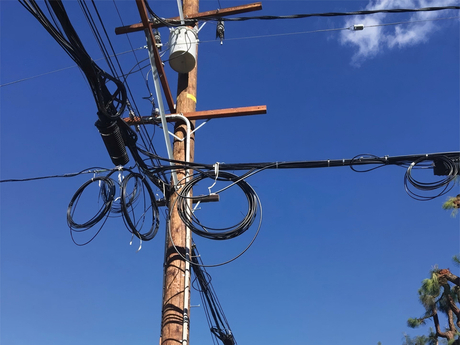
Supporting itself in aerial applications (e.g., strung between utility poles) without additional metal messenger wires;
Withstanding mechanical stress and environmental erosion in duct applications (e.g., buried in underground conduits);
Preventing rodent gnawing (via glass yarn armor, which is hard and indigestible for rodents like rats, mice, or squirrels).
Detailed Structure of Glass Yarn Anti-Rodent ADSS Cable:
The Glass Yarn Anti-Rodent cable adopts a layered, all-dielectric design to balance mechanical strength, signal integrity, and anti-rodent performance.
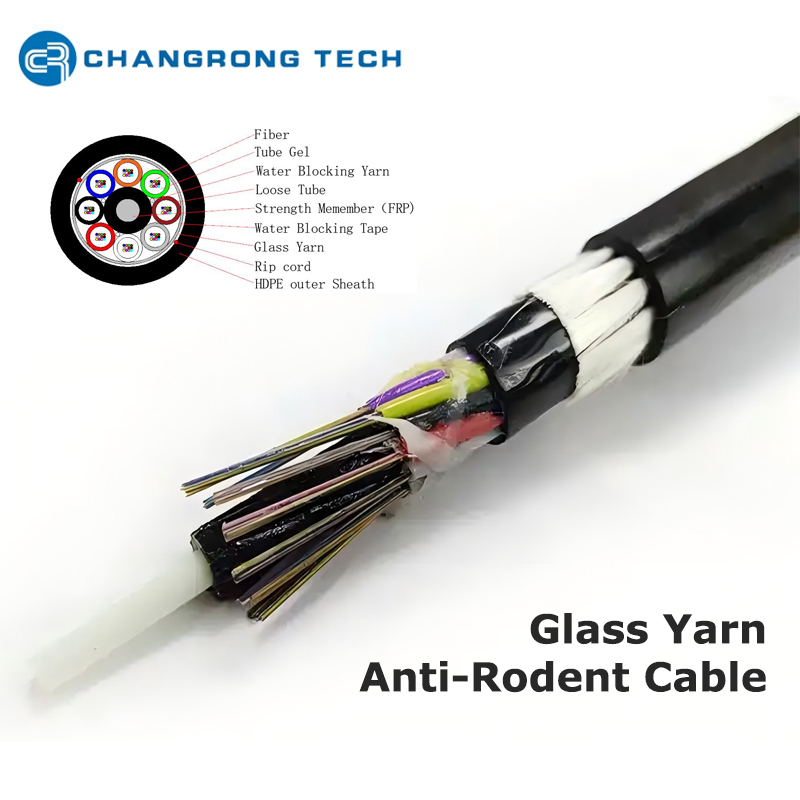
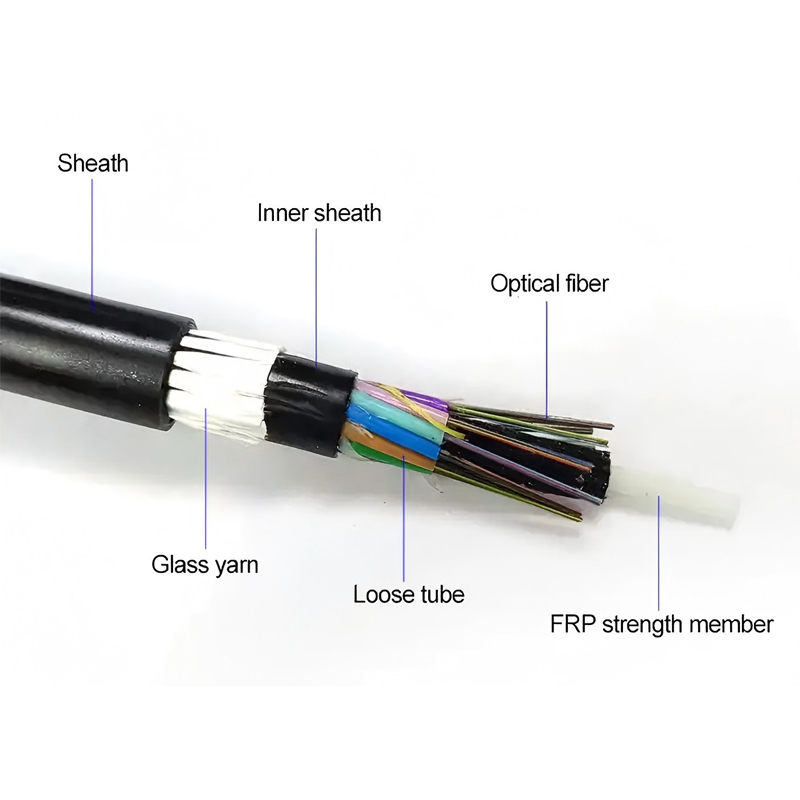
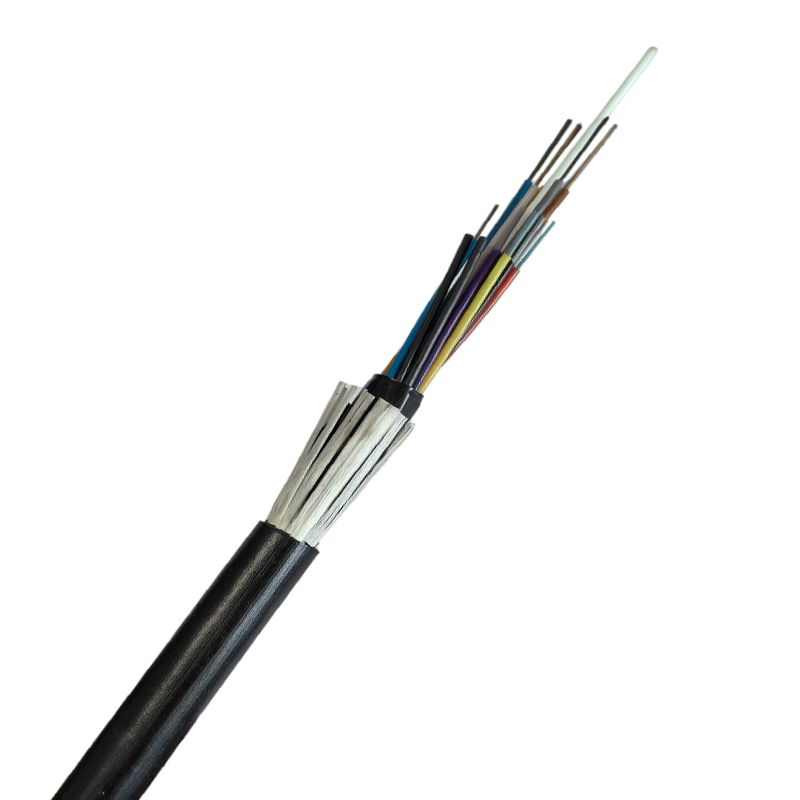
The fibers are positioned in the PBT loose tube filled with gel. Tubes (and fillers) are stranded around the non-metallic strength member (FRP) to form the cable core. Water blocking yarn and water blocking tape used in the cable core to prevent water penetration. Then Glass Yarn as rodent protection material to reinforce longitudinally around the cable core. Finally, a PE outer sheath is extruded.
| Layer Name | Composition | Function |
| Optical Fiber Core | Single-mode (SM) or Multi-mode (MM) optical fibers (e.g., G.652.D) | Transmit optical signals |
| Loose Tube Buffer | PBT (Polybutylene Terephthalate) | Isolate fibers from external stress (bending, compression); filled with water-blocking gel to prevent moisture intrusion. |
| Central Strength Member | Fiberglass-reinforced plastic (FRP) | Provide tensile strength for aerial self-support; ensure the cable can withstand wind, ice, and installation loads. |
| Water Resistance | Water-blocking Yarn & Tape | Protect the cable core from water penetration |
| Anti-Rodent Layer | Glass Yarn | Physical barrier against rodents: glass yarn is hard, sharp, and non-edible, preventing gnawing through to the inner loose tubes. |
| Outer Sheath | Weather-resistant PE (for aerial) or abrasion-resistant LSZH (for duct) | Resist environmental damage (UV, rain, dust, or duct friction); ensure long-term durability. |
ADSS Glass Yarn Anti-Rodent

Glass Yarn Anti-Rodent Cable
Characterictics:
No electromagnetic interference (EMI/RFI): Since there are no metal components, the cable does not conduct electricity or generate electromagnetic fields. This is critical for power grid applications (e.g., laid alongside high-voltage transmission lines) or sensitive industrial environments (e.g., data centers, oil refineries), where EMI could disrupt signals.
Corrosion resistance: Unaffected by humidity, salt spray (coastal areas), or chemical pollutants, eliminating the need for anti-corrosion treatments (unlike metal-reinforced cables).
Aerial self-support: The FRP stranding layer provides sufficient tensile strength (typically 1-5 kN) to support the cable's own weight when strung between poles (span lengths up to 800 meters). No additional messenger wire is required, reducing installation cost and complexity.
Duct adaptability: The outer sheath (abrasion-resistant LSZH) protects the cable from friction against duct walls during pulling. The compact design (diameter usually 10-20 mm) allows installation in narrow ducts (e.g., 20-50 mm inner diameter).
Physical barrier, not chemical: Unlike cables with rodent-repellent chemicals (which degrade over time), the glass yarn layer is a permanent physical barrier. Rodents cannot chew through the hard, brittle glass yarn (it damages their teeth), and the yarn is non-toxic (safe for the environment).
No impact on signal quality: The glass yarn layer is non-metallic and non-conductive, so it does not affect the transmission of optical signals (no signal attenuation or reflection).
UV resistance: The outer PE sheath for aerial use is added with UV stabilizers, preventing aging and cracking under long-term sunlight exposure (service life up to 25 years).
Waterproofing: The loose tube is filled with water-blocking gel, and the inner sheath uses a tight-seal structure to prevent moisture from entering the fiber core (moisture can cause fiber attenuation and breakage).
LSZH option: For indoor/duct applications, LSZH outer sheaths release low smoke and no toxic halogen gases in case of fire, meeting fire safety standards (e.g., IEC 60332-1 for flame retardancy).
Low density: All-dielectric materials (FRP, PE, glass yarn) make the cable lightweight (typically 100-300 kg/km), which is 30-50% lighter than metal-reinforced aerial cables. This reduces the load on poles/towers and simplifies manual or mechanical pulling.
Applications:
The Glass Yarn Anti-Rodent Aerial/Duct Cable is ideal for scenarios where require combination of all-dielectric safety, and anti-rodent protection.
Application: Used in power distribution networks (110kV/220kV lines) to transmit operational data (e.g., load monitoring, fault detection) between substations.
Why it fits: All-dielectric design avoids short circuits with high-voltage lines; aerial self-support matches the power grid's overhead infrastructure; anti-rodent protection prevents damage to cables laid in underground ducts near substations.
Application: Rural/urban broadband networks (FTTH, FTTB) where cables need to be laid both aerially (over streets) and in ducts (under sidewalks).
Why it fits: Dual installation compatibility reduces the need for separate aerial/duct cables; anti-rodent protection ensures reliability in underground ducts (where rodents often nest); lightweight design speeds up deployment.
Application: Factories, oil refineries, university campuses, or data centers that require internal optical connections.
Why it fits: EMI resistance avoids interference with industrial equipment/data servers; LSZH sheath meets fire safety requirements; anti-rodent protection safeguards cables in underground utility ducts (common in campuses/factories).
Application: Railway or highway communication systems (e.g., transmitting video surveillance, traffic control signals).
Why it fits: Aerial installation can follow railway/highway overhead poles; duct installation (alongside tracks/roads) is protected from rodents; weather resistance withstands extreme temperatures (e.g., -40°C to 70°C).
ADSS Glass Yarn Anti-Rodent Aerial/Duct Fiber Optic Cable is a versatile, durable solution that addresses the unique demands of all-dielectric safety, dual installation environments, and rodent protection. Its layered structure balances signal integrity, mechanical strength, and environmental resistance, making it a top choice for power grids, telecommunications, and industrial networks requiring long-term, low-maintenance optical transmission.
Reel Length:
normally 2km, 3km, 4km (as your request)
Drum options:
Fumigated Wooden Drum
Steel-reinforced Wooden Drum
Plywood Drum
Cable and Drum Marking according to customer’s requirements.

Shipping Photos: