


In modern telecommunications, high-speed, reliable, and efficient data transmission is critical for both urban and rural networks. One technology that has become increasingly essential in achieving this is the ADSS Cable. ADSS, short for All Dielectric Self-Supporting , is a type of fiber optic cable designed to be installed without additional support wires or structures. Its unique properties make it ideal for a wide range of applications in telecommunications, power distribution, and smart grid systems. This article explores the applications of ADSS Cable, its technical advantages, and why it has become a preferred choice for network operators worldwide.
What is an ADSS Cable?
An ADSS Cable is a fiber optic cable that is self-supporting, meaning it can be suspended between utility poles or towers without the need for messenger wires. These cables are lightweight, durable, and resistant to environmental stressors such as wind, ice, and temperature fluctuations. Typically, ADSS Cable features a dielectric design, which prevents electrical conductivity and makes it suitable for installation near high-voltage power lines.
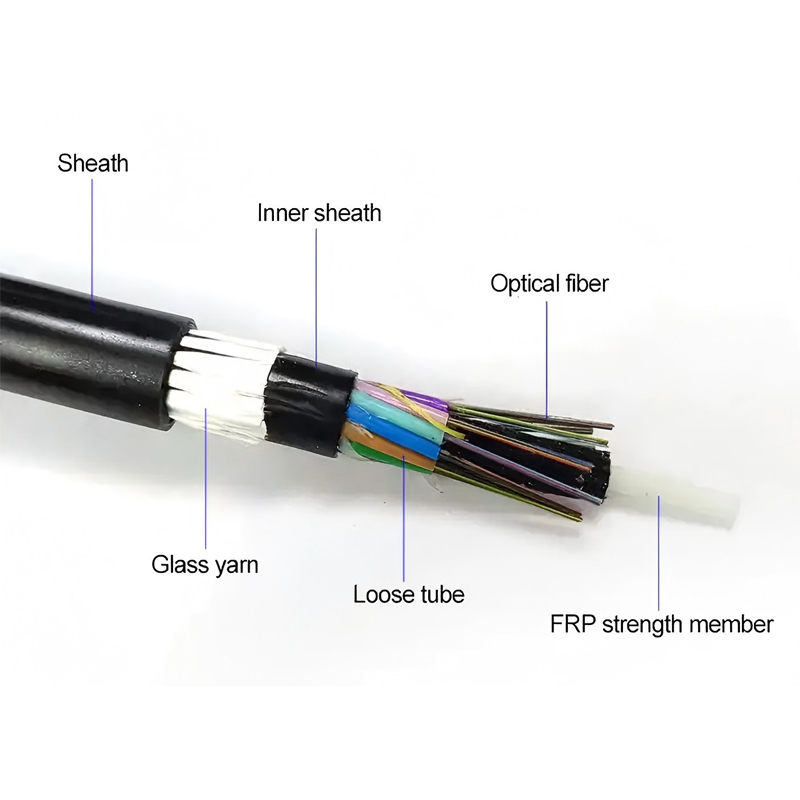
The structure of ADSS Cable generally includes:
Optical fibers for high-speed data transmission
Strength members made of glass yarn or aramid fibers to provide tensile strength
Water-blocking materials to prevent moisture ingress
UV-resistant outer jackets for protection against sunlight and environmental degradation
This design ensures that ADSS Cable can perform reliably even under harsh environmental conditions while supporting high data bandwidths.
Key Advantages of ADSS Cable
Before diving into its applications, it’s important to understand the benefits that make ADSS Cable suitable for various installations:
Self-Supporting Design: Eliminates the need for additional support wires, reducing installation complexity and cost.
Dielectric Properties: Safe to install near power lines since it does not conduct electricity.
High Tensile Strength: Can withstand long spans and heavy loads without sagging or damage.
Durability: Resistant to UV radiation, moisture, and extreme temperatures.
Low Maintenance: Requires minimal inspection and maintenance due to robust construction.
Versatility: Available in single or multi-core options for different network requirements.
Applications of ADSS Cable
The versatility of ADSS Cable allows it to serve a broad spectrum of applications. The following sections discuss the key uses of these cables in detail.
1. Telecommunications Networks
ADSS Cable is extensively used in telecommunications to provide broadband and high-speed internet connections. It can be installed in urban and rural areas, connecting homes, businesses, and data centers. Common telecom applications include:
Long-distance fiber optic links between cities or regions
Connecting remote villages and industrial zones
Supporting broadband internet service providers (ISPs)
Backbone connections for mobile networks
Due to its dielectric properties, ADSS Cable can be installed near existing power lines, reducing the need for additional infrastructure and enabling faster deployment of communication networks.
2. High-Voltage Power Line Installations
One of the most notable advantages of ADSS Cable is its ability to be installed along high-voltage power lines safely. This makes it ideal for utility and energy applications, including:
Smart grid communications
Supervisory Control and Data Acquisition (SCADA) systems
Substation networking
Monitoring and control of power transmission lines
By running ADSS Cable directly on power transmission towers, utilities can create a robust communication network that enhances grid reliability, reduces operational costs, and facilitates real-time monitoring.
3. Rural and Remote Area Connectivity
Rural and remote areas often face challenges in laying traditional underground fiber optic cables due to rough terrain and high installation costs. ADSS Cable addresses these challenges effectively:
Lightweight design allows easy transport and installation in hard-to-reach areas
Self-supporting nature reduces the need for additional poles or support structures
High environmental resistance ensures durability in harsh climates, including deserts, mountains, and forests
For developing regions, ADSS Cable provides a cost-effective solution for delivering reliable internet and telecom services.
4. Smart City and IoT Deployments
With the rise of smart city initiatives and the Internet of Things (IoT), reliable data transmission becomes critical. ADSS Cable supports these projects by providing high-speed connectivity for:
Traffic management systems
Smart lighting and energy meters
Surveillance cameras and security networks
Environmental monitoring sensors
Installing ADSS Cable along existing urban infrastructure allows cities to expand their IoT networks without significant construction work or disruption.
5. Industrial and Enterprise Networks
Large industrial sites, mining operations, and manufacturing plants require robust communication networks to support operations and safety systems. ADSS Cable is suitable for these applications due to its:
High tensile strength to span long distances within industrial complexes
Resistance to electromagnetic interference (EMI) from heavy machinery
Durability under harsh environmental conditions
Enterprises use ADSS Cable for real-time monitoring, process control, and secure data transmission across multiple sites.
6. Transportation and Railway Networks
ADSS Cable is also deployed in transportation systems to ensure communication and signaling reliability. Key applications include:
Railway signaling and communication networks
Highway monitoring and traffic control systems
Airport infrastructure communication networks
Tunnel and bridge communication systems
The self-supporting and durable nature of ADSS Cable makes it ideal for installation along railway tracks, bridges, and other transportation infrastructure without risking damage from environmental factors.
Comparison of ADSS Cable Types
Different types of ADSS Cable are available to meet specific installation needs. Below is a comparison table of common types:
| Type of ADSS Cable | Key Features | Typical Applications | Core Range |
|---|---|---|---|
| Standard ADSS Cable | Single or multi-core, Aramid Yan strength members, dielectric | Telecom backbone, rural connectivity | 2–288 cores |
| Mini ADSS Cable | Lightweight, smaller diameter, easy installation | Short-span urban deployment, branch lines | 2–24 cores |
| Flat FRP Armored ADSS | Anti-rodent protection, FRP reinforced | Power line installation, harsh environments | 2–144 cores |
| Double Jacket ADSS | Extra protective outer layer | High-wind or ice-prone areas | 2–288 cores |
The choice of ADSS Cable depends on span distance, environmental conditions, and network requirements.
Installation Considerations for ADSS Cable
Proper installation is crucial to ensure the performance and longevity of ADSS Cable. Key considerations include:
Span Length: Selecting the correct cable type based on the distance between poles or towers
Tension Control: Avoiding excessive tension to prevent sagging or damage
Climatic Conditions: Considering wind, ice, and temperature variations for proper cable selection
Hardware Selection: Using compatible clamps, dead-ends, and vibration dampers
Safety Compliance: Ensuring installation near power lines follows dielectric and clearance regulations
Professional installation ensures that ADSS Cable delivers optimal performance and long-term reliability.
Latest Trends in ADSS Cable Deployment
Several trends are shaping the adoption and deployment of ADSS Cable worldwide:
Integration with Smart Grids: Utilities are increasingly using ADSS Cable to connect substations and smart meters, improving grid reliability.
High-Speed Broadband Expansion: Governments are promoting fiber optic networks in rural areas, driving ADSS deployment.
Advanced Anti-Rodent and Armored Designs: New materials and armor technologies are enhancing durability in challenging environments.
IoT and 5G Networks: ADSS Cable supports high-bandwidth data transmission required for 5G base stations and IoT devices.
Eco-Friendly Materials: Manufacturers are focusing on recyclable jackets and low-impact production methods to meet sustainability goals.
These trends indicate that ADSS Cable will continue to be a backbone technology for modern communication networks.
FAQs
1. What is the maximum span distance for ADSS Cable?
The span distance depends on cable type and environmental conditions. Standard ADSS Cable can typically span 50–800 meters between support points.
2. Can ADSS Cable be installed near high-voltage power lines?
Yes, ADSS Cable is dielectric, meaning it does not conduct electricity, making it safe for installation near power lines.
3. How do I choose the right ADSS Cable for my project?
Consider factors such as span length, environmental conditions, core requirements, and installation location. Consulting with a manufacturer or technical expert is recommended for optimal selection.
Conclusion
ADSS Cable has emerged as a versatile and reliable solution for high-speed data transmission in a variety of industries. From telecommunications networks and power line installations to smart city projects and industrial networks, its self-supporting design, dielectric properties, and environmental resilience make it the preferred choice for modern fiber optic deployments.
CROFC, with its advanced production lines, extensive R&D capabilities, and global distribution, provides high-quality ADSS Cable solutions for diverse applications worldwide. By leveraging the latest technology and strict quality control, CROFC ensures that each cable delivers reliable performance, helping businesses, utilities, and cities stay connected efficiently.
Whether deploying broadband in remote areas, enhancing smart grids, or upgrading enterprise networks, ADSS Cable from CROFC offers the performance and durability needed to meet today’s communication demands.


